
Paprika Alternative: 7 Best Substitutes for Any Recipe
Table of Contents
- Paprika Alternative Basics: Why the Type Matters
- Sweet Paprika Substitute: Tomato Powder and Red Bell Pepper
- Smoked Paprika Substitute: Chipotle, Ancho, and Smoked Salt
- Chili Powder Instead of Paprika: How to Swap Without Overheating
- Cayenne Pepper and Red Pepper Flakes: Heat-First Alternatives
- Ancho, Pasilla, and Other Dried Chile Powders
- When No Paprika Alternative Is Needed
- Conclusion
- Frequently Asked Questions
Last Updated: October 12, 2026
Paprika Alternative Basics: Why the Type Matters
A paprika alternative is any spice that can replace paprika in a recipe when you have run out or need a different flavor profile. The tricky part is that "paprika" covers several very different spices. Sweet, smoked, and hot paprika each bring something unique to a dish. Swap the wrong one and your dinner changes completely.
Here is the good news: the right swap is usually already sitting on your shelf.
The type matters because paprika is made from ground peppers with different heat levels and flavors. Sweet paprika is mild and fruity. Smoked paprika tastes like a campfire. Hot paprika brings real heat. Match the type first, then pick your substitute.
Sweet Paprika Substitute: Tomato Powder and Red Bell Pepper
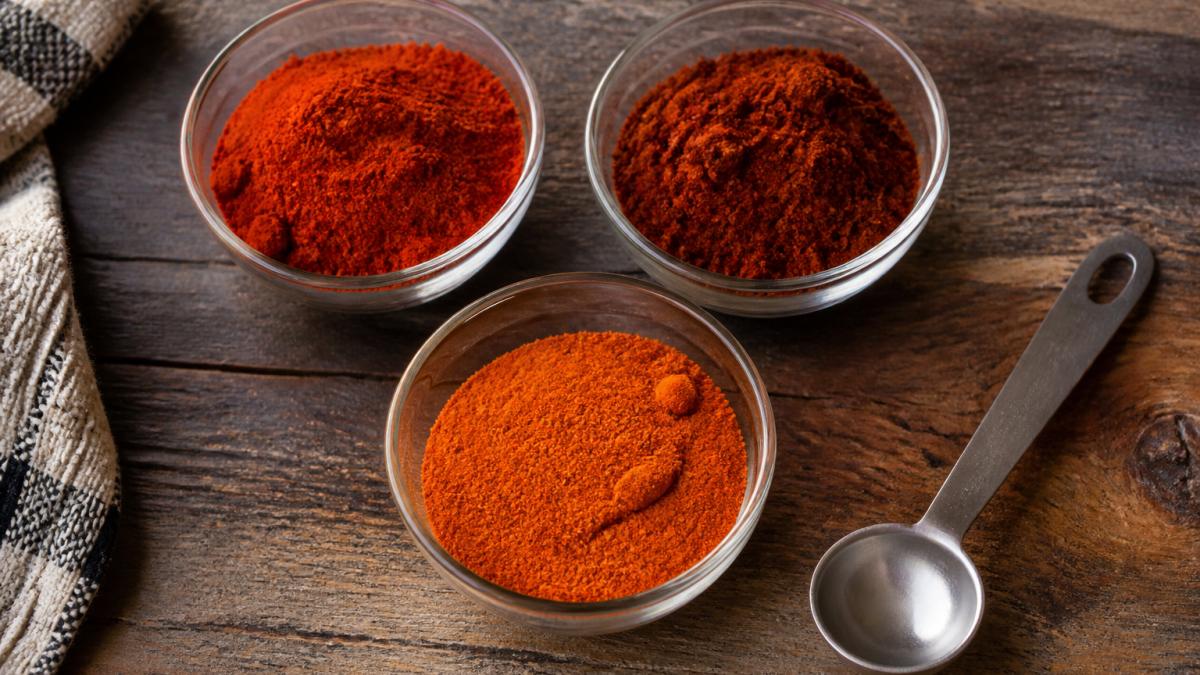
Sweet paprika is the mildest of the three main types. It is fruity, slightly sweet, and barely warm, most versions sit between 250 and 1,000 on the Scoville scale, which is closer to a bell pepper than to a chile. That low heat is why a straight swap with anything spicy will change the dish, not just the color.
Here are the closest matches, ranked by how faithfully they reproduce sweet paprika's mild, fruity, red profile:
| Substitute | Heat | Flavor Match | Color | Best Ratio |
|---|---|---|---|---|
| Tomato powder | None | Mild, sweet, slightly acidic | Deep red | 1:1 |
| Red bell pepper powder | None | Fruity, mild | Bright red | 1:1 |
| Ancho chile powder | Very mild | Sweet, raisin-like | Dark red-brown | 1:1 |
| Guajillo powder | Mild | Bright, tangy | Vivid red | 3/4 the amount |
| Regular chili powder blend | Low to medium | Cumin-forward, savory | Red-brown | 1/2 the amount |
Tomato powder is the closest match for color and mildness. It brings a deep red hue and gentle sweetness with zero heat. Use it 1:1 in soups, stews, rice dishes, and any recipe where a faint tomato note will not clash. The trade-off: it is slightly acidic, so if the dish already contains tomatoes or vinegar, cut back and taste as you go.
Red bell pepper powder mirrors sweet paprika's fruity, mild taste more closely than tomato powder does, and it does not add acidity. Grind dried red bell peppers in a spice grinder for a fresh batch, or buy it pre-ground. Use it 1:1 in marinades, rubs, and dressings where you want color without any tomato flavor.
Ancho chile powder is the best single-ingredient swap when you want a pepper-forward flavor rather than a vegetable one. It is mild and sweet with a raisin-like note that reads as "paprika-adjacent" in Mexican and Southwestern cooking. Use it 1:1, but expect a slightly darker, browner color.
Guajillo powder gives you the brightest red of any substitute, which matters in dishes where paprika is doing visual work, think deviled eggs, potato salad, or a garnish on hummus. It is mildly tangy and a touch hotter than sweet paprika, so start with about three-quarters of the called-for amount.
A standard chili powder blend works in a pinch, but it is not a single spice. Most blends combine ground chiles with cumin, oregano, and garlic, which shifts the flavor toward Tex-Mex. Use half the amount and skip it in delicate European or sweet recipes.
Recipe-specific picks:
- Soups and stews: tomato powder 1:1, or ancho 1:1 for a pepper-forward note
- Dry rubs: red bell pepper powder 1:1, or guajillo at 3/4
- Marinades and dressings: red bell pepper powder 1:1
- Garnishes where color matters: guajillo or tomato powder
- Sweet or baked dishes: red bell pepper powder only, skip chili blends entirely
For a deeper reference on how these spices differ, the USDA food composition database tracks nutrient and flavor details for dried peppers.
Smoked Paprika Substitute: Chipotle, Ancho, and Smoked Salt
Chipotle powder is the best smoked paprika substitute when you want smoke and heat together. It comes from smoked, dried jalapeños. Use half the amount called for, since chipotle is much hotter.
Ancho chile powder offers a mild, sweet smoke. It is a gentler swap for smoked paprika in dishes that cannot handle heat. Start with a 1:1 ratio and adjust.
Smoked salt is a smart option when you only want the smoky note. But it adds salt, not color. Cut back on your recipe's regular salt to balance things out.
A quick comparison:
| Substitute | Heat Level | Flavor | Best Ratio |
|---|---|---|---|
| Chipotle powder | High | Smoky, spicy | 1/2 the amount |
| Ancho chile powder | Mild | Sweet, smoky | 1:1 |
| Smoked salt | None | Pure smoke | Small pinch |
This is where most swaps go wrong. People reach for chipotle and use a full spoon. That turns a mild dish into a five-alarm fire.
Chili Powder Instead of Paprika: How to Swap Without Overheating
Chili powder is the most common paprika alternative in American kitchens, and also the most misunderstood. In the U.S., "chili powder" almost always means a blend, typically ground chile peppers plus cumin, oregano, garlic powder, and sometimes salt, sugar, or anti-caking agents. In other countries, the same phrase can mean a single ground chile. That difference decides whether your swap works or wrecks the dish.
Why the blend matters. Paprika is one ingredient. A chili powder blend is four to six. When you swap a full spoon of blend for a full spoon of paprika, you are not just adding heat, you are adding cumin, oregano, and garlic that the recipe never asked for. In a Tex-Mex chili or taco filling, that is a bonus. In a Hungarian goulash or a deviled egg filling, it is a flavor hijack.
How to swap without overheating:
- Start with half the amount the recipe calls for, then taste after 5 minutes of cooking
- Check the label for added salt and reduce your recipe's salt accordingly, some blends contain 100-200 mg sodium per quarter teaspoon
- Look for single-ingredient chile powder (often labeled "ground ancho," "ground guajillo," or "chile powder" with one item in the ingredients list) if you want heat and color without the cumin-garlic profile
- Add a splash of oil if the blend makes the dish taste dry, blends often contain more starch than pure paprika
When chili powder is the right call:
- Chili, taco meat, enchilada sauce, and other Tex-Mex or Southwestern dishes
- Barbecue rubs where cumin and garlic are already welcome
- Bean dishes and hearty stews that can absorb the extra spice
When to skip it:
Get started with the Founder offer →
- Hungarian, Spanish, or Eastern European recipes where paprika is the star
- Sweet or baked dishes, the cumin will read as savory and out of place
- Delicate sauces, dressings, and deviled eggs where the blend's garlic and oregano will dominate
Recipe-specific ratios:
| Dish | Chili powder ratio | Notes |
|---|---|---|
| Chili con carne | 1:1 | The blend is already expected here |
| Taco seasoning | 1:1 | Adjust salt for any sodium in the blend |
| BBQ dry rub | 3/4 the amount | Cumin can overpower at full strength |
| Bean stew | 1/2 the amount | Taste before adding more |
| Goulash or European dish | Skip | Use ancho or tomato powder instead |
The FDA guidance on spice labeling explains why "chili powder" can mean very different blends from brand to brand, the ingredient list is the only reliable way to know what you are getting.
Cayenne Pepper and Red Pepper Flakes: Heat-First Alternatives
Cayenne pepper is a hot paprika alternative, not a mild one. It brings serious heat with almost no sweetness or smoke. Use a quarter of the amount you would use for paprika, then taste.
Red pepper flakes and crushed red pepper work in a pinch. They add heat and texture, but they do not blend into sauces smoothly. Save them for pizzas, pastas, and dishes where a little crunch is fine.
Neither option gives you paprika's red color. If color matters, add a pinch of tomato powder alongside.
Ancho, Pasilla, and Other Dried Chile Powders
Dried chile powders give you the closest match to paprika's earthy, fruity base. Ancho chile powder is mild and sweet with a raisin-like note. Pasilla powder is darker and a bit more complex.
These work best when a recipe needs depth more than smoke or heat. Use them 1:1 for sweet paprika and slightly less for smoked.
Other options worth keeping on hand:
- Guajillo powder for a bright, tangy red color
- Mulato powder for a deep, chocolatey undertone
- Cascabel powder for a nutty, mild warmth
Each one shifts the dish in a slightly different direction. That is the fun part. A good spice drawer gives you room to play.
For home cooks organizing recipes from food blogs and videos, Linkplate keeps every ingredient list in one place.
When No Paprika Alternative Is Needed
Sometimes the best move is to leave paprika out entirely. Not every recipe depends on it. In many dishes, paprika adds color and a mild background note. Skipping it changes little.
Leave it out when the recipe uses paprika only for garnish. The same goes for dishes with strong flavors like curry or chili, where one mild spice gets lost anyway.
If you are missing paprika for a rub, try a mix of garlic powder, onion powder, and a little sugar. That covers the savory-sweet base without a direct swap.
Here is a simple rule set:
- Garnish only? Skip it.
- Bold dish? Skip it or use less.
- Star ingredient? Find a close match.
- Color matters? Add tomato powder.
The USDA dietary guidelines note that herbs and spices can help cut back on salt while keeping food flavorful, so a swap is often a healthy move too.
Conclusion
Running out of paprika mid-recipe is a small problem with a simple fix. The key is matching the type: sweet, smoked, or hot. Get that right, and your dish stays on track.
Keeping your recipes organized makes this easier. With Linkplate, you can capture recipes from YouTube, Instagram, and food blogs, clean them into one tidy collection, and turn any saved recipe into a grocery list in seconds. No more mid-cook surprises.
Get started with the Founder offer and turn the internet into your personal cookbook.
Frequently Asked Questions
What is the best substitute for paprika?
The best paprika alternative depends on which type you're replacing. For sweet paprika, use tomato powder or ground red bell pepper at a 1:1 ratio. For smoked paprika, chipotle powder or ancho chile powder works well, though chipotle adds noticeable heat. For hot paprika, cayenne pepper at half the quantity delivers similar warmth. Match the substitute to the paprika variety your recipe calls for, not just the color.
Can I use chili powder instead of paprika?
Yes, but use less. Chili powder blends often contain cumin, oregano, and garlic, so it changes the flavor profile. Start with half the amount your recipe lists for paprika, taste, then adjust. This swap works best in chili, taco seasoning, and barbecue rubs where those extra spices already belong. Avoid it in delicate dishes like deviled eggs or Spanish rice where paprika's clean sweetness matters.
What can I use instead of smoked paprika?
Chipotle powder gives the closest smoky flavor with added heat, so use about half the amount. Ancho chile powder offers mild smoke with fruity notes and works at a 1:1 ratio. If you have neither, combine regular paprika with a small pinch of smoked salt or a drop of liquid smoke. Each option shifts the dish differently, so taste as you go.
How much chili powder should I use instead of paprika?
Use half the quantity. If a recipe calls for one teaspoon of paprika, start with half a teaspoon of chili powder. Chili powder blends vary in heat depending on their cayenne content, so brands differ. Add the smaller amount first, stir it in, taste the dish, and increase gradually. This prevents the blend's cumin and oregano from overpowering the original recipe.
Questions or ideas for a post? Get in touch →