
Paprika Alternatives for Home Cooks: 2026 Guide
Table of Contents
- Why Paprika Matters in Your Kitchen
- Best Substitute for Paprika by Type and Use
- Smoked Paprika Substitute Options
- Paprika Replacement Without Chili: Non-Pepper Options
- Paprika vs Chili Powder: When to Swap and How
- Substitution Ratios and Heat Adjustment Strategies
- Organizing Your Spice Substitutions with a Digital Recipe System
- Conclusion
- Frequently Asked Questions
Last Updated: October 16, 2026
Why Paprika Matters in Your Kitchen
Paprika adds color, warmth, and depth to dishes like Hungarian goulash, Spanish paella, and seasoning rubs. But when the jar is empty or you're allergic to nightshades, knowing paprika alternatives keeps you cooking without missing a beat.
You have plenty of options: some mimic paprika's smoky sweetness, others bring heat, and a few work best when paprika is mainly there for color.
This guide covers the best paprika alternatives by type and use case, with exact ratios, heat adjustments, and chili-free options.
Best Substitute for Paprika by Type and Use
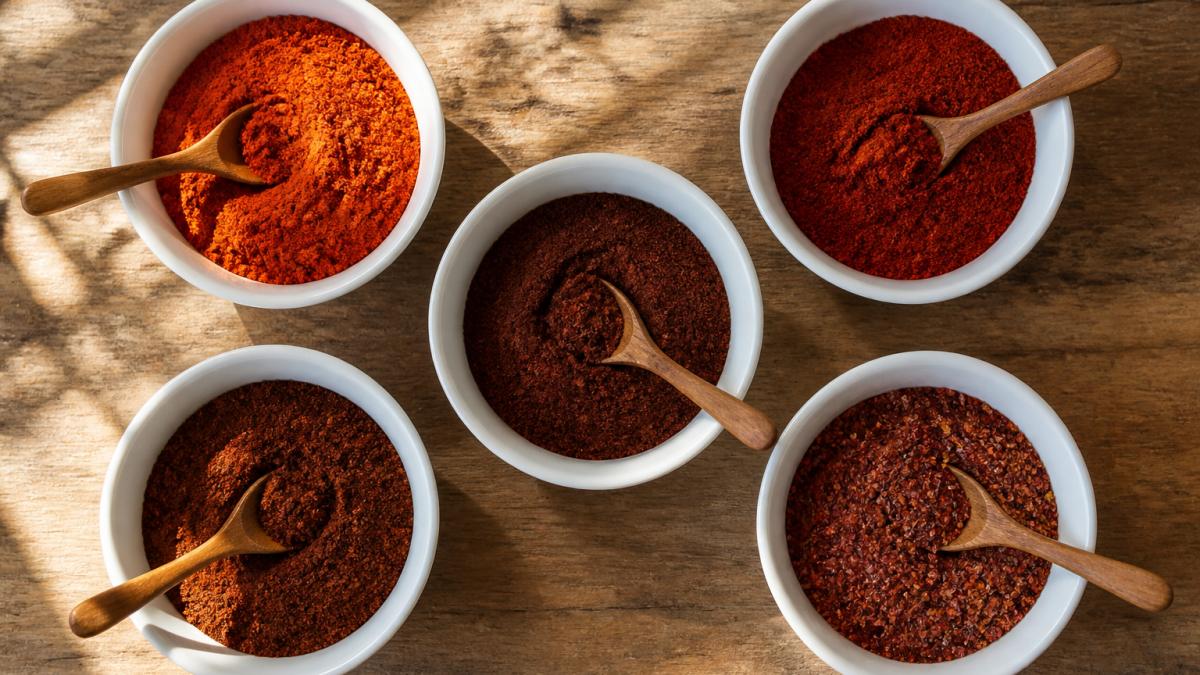
Paprika alternatives work differently depending on which type you're replacing and what the recipe needs. Sweet, smoked, and hot paprika each bring unique qualities, so the same dish can call for a different swap depending on whether color, warmth, smokiness, or heat matters most.
Before substituting, ask three questions: (1) Is paprika the star or a background note? (2) Does the recipe need smoke, heat, sweetness, or just red color? (3) How long does the spice cook? Long-simmered stews mellow spices; quick sautés and garnishes don't.
Sweet Paprika Alternatives
Sweet paprika is mild and slightly fruity, adding color without intense heat. The best sweet paprika alternatives preserve this gentle profile.
Ancho chile powder works well as a sweet paprika substitute. It's milder than cayenne with a subtle fruity undertone.
Red bell pepper powder offers pure color with minimal flavor impact. Use the same amount as paprika.
Aleppo pepper offers a fruity, moderately warm flavor, more complex than sweet paprika but still approachable.
Hot Paprika Alternatives
Hot paprika brings real heat alongside its color. These substitutes deliver that spicy kick.
Cayenne pepper is the most direct replacement for hot paprika, though hotter. Start with half the paprika amount, then add gradually.
Chipotle powder brings heat plus smoky complexity.
Red pepper flakes add sharp heat but are grainier than paprika, so texture changes slightly.
Gochugaru (Korean red chili flakes) brings fruity heat with a slightly sweet undertone.
Match the Substitute to the Dish
Here's how the swaps play out in the recipes home cooks make most.
| Dish | What Paprika Is Doing | Best Swap | Starting Ratio |
|---|---|---|---|
| Deviled eggs / egg salad | Color + gentle warmth | Ancho chile powder or red bell pepper powder | 1:1 |
| Hungarian goulash | Star flavor, deep red color | Real sweet paprika if possible; otherwise ancho + a pinch of cayenne | 1:1 ancho, pinch cayenne |
| Spanish paella | Color + subtle smoke | Ancho chile powder + a few drops liquid smoke | 1:1 ancho |
| BBQ dry rub | Smoke + color | Chipotle powder | 3:4 |
| Chili con carne | Depth + mild heat | Ancho + chipotle, half and half | 1:1 combined |
| Cream sauces / soups | Color, mild sweetness | Tomato powder or red bell pepper powder | 1:1 |
| Garnish (hummus, labneh) | Color + fruity finish | Aleppo pepper | 3:4 |
| Spicy marinades | Heat | Cayenne or gochugaru | 1:2 cayenne, 3:4 gochugaru |
A few patterns worth remembering:
- Eggs and dairy-based dishes are unforgiving. Paprika's job there is mostly color and a soft, sweet note, so ancho or bell pepper powder beats anything smoky or hot.
- Long-simmered stews can take a more assertive substitute because the flavor mellows. Chipotle or a cayenne-ancho blend shines here.
- Rubs and dry applications need a substitute that clings and browns well. Chipotle and ancho both work; turmeric stains and tastes bitter at high heat.
- Garnishes are eaten raw, so pick something with a pleasant finish. Aleppo and gochugaru are the friendliest.
Quick Reference Table
| Substitute | Heat Level | Flavor Profile | Best Used In | Ratio to Paprika |
|---|---|---|---|---|
| Ancho chile powder | Mild | Fruity, earthy | Stews, rubs, sauces, eggs | 1:1 |
| Cayenne pepper | Very hot | Sharp, pure heat | Spicy dishes, marinades | 1:2 (use half) |
| Chipotle powder | Hot | Smoky, complex | BBQ, chili, Tex-Mex | 3:4 |
| Gochugaru | Medium-hot | Fruity, sweet | Asian dishes, marinades, garnishes | 3:4 |
| Red pepper flakes | Very hot | Sharp, intense | Pasta, soups, pizza | 1:2 (use half) |
| Aleppo pepper | Medium | Fruity, complex | Mediterranean dishes, garnishes | 3:4 |
| Red bell pepper powder | None | Sweet, mild | Eggs, cream sauces, color-first dishes | 1:1 |
Smoked Paprika Substitute Options
Smoked paprika has a distinct campfire quality that standard paprika lacks, essential in Spanish cooking and barbecue rubs.
Chipotle powder is the closest match to smoked paprika. Both bring smokiness, though chipotle is spicier.
Liquid smoke mixed with paprika or cayenne recreates the smoky effect.
Smoked salt combined with regular paprika or cayenne works too.
Ancho chile powder with a pinch of cumin approximates smoked paprika's complex, slightly smoky flavor. Use equal amounts to the smoked paprika called for.
Paprika Replacement Without Chili: Non-Pepper Options
Sometimes you need paprika's color and warmth without any chili pepper. This matters for three groups:
- Preference-based avoidance. You don't like heat or the flavor of chilies. Any non-chili option below works.
- Nightshade sensitivity. Paprika, cayenne, chipotle, ancho, and gochugaru are all nightshades (peppers), so you need a swap from a different plant family entirely.
- Chili allergy or medical restriction. If you have a diagnosed allergy, treat every spice blend as suspect until you've read the label, see the note below.
Non-Chili Substitutes
Turmeric brings golden color and earthy warmth without spice.
Saffron adds warm color and floral notes.
Founders limited offer is open now →
Tomato powder brings red color and mild sweetness with no heat.
Beet powder creates vibrant red color with earthy sweetness.
Annatto (also called achiote) provides bright red-orange color with subtle peppery notes but no chili heat. Use about three-quarters of the paprika amount.
Sumac is a dried berry powder with a tart, lemony flavor and deep red color. It's not a chili or a nightshade.
When Paprika Is Mainly for Color
Many recipes call for paprika purely for red or orange color, deviled eggs, potato salad, hummus, roasted cauliflower. Flavor is secondary, so you have more freedom.
- If the dish is pale and mild (eggs, dairy, potatoes), reach for red bell pepper powder, tomato powder, or beet powder.
- If the dish is already warm-spiced (curries, tagines, rice), turmeric or annatto blend in seamlessly.
- If the dish is bright and acidic (salads, mezze), sumac adds color and a pleasant tang.
Rule of thumb: under one teaspoon of paprika, color substitutes usually go unnoticed; at a tablespoon or more, the substitute's own flavor comes through.
Reading Labels: Hidden Pepper Ingredients
If you're avoiding chilies for allergy or medical reasons, the substitute list is only half the job. Spice blends are the bigger risk.
- "Paprika" on a label can mean any ground Capsicum pepper, including hotter varieties. It is not a guaranteed mild, single-source spice.
- "Chili powder" is a blend, typically ground chilies plus cumin, oregano, garlic, and sometimes salt. It is not a substitute for someone avoiding peppers.
- "Spices" or "natural flavors" can hide pepper-derived ingredients. When in doubt, contact the manufacturer.
- "Smoked" anything in a spice blend often signals smoked paprika or chipotle, both peppers.
- Cross-contamination is real in bulk bins and shared facilities. If your restriction is medical, buy sealed, labeled jars from brands that publish allergen information.
Paprika vs Chili Powder: When to Swap and How
Many home cooks confuse paprika with chili powder, both are red and add warmth, but they're different spices with different jobs.
Paprika is pure ground paprika peppers, primarily about color and gentle flavor. It can be sweet, hot, or smoked, but it's a single-ingredient spice.
Chili powder is a blend of ground chili peppers plus cumin, garlic, oregano, and salt. It brings complex spice flavor, not just heat.
You can swap them in some situations, but not all.
Substitution Ratios and Heat Adjustment Strategies
Getting substitution ratios right prevents dishes from becoming too spicy or too bland. These guidelines help.
Start conservative. Use less substitute than the recipe calls for paprika.
Understand heat levels. Cayenne is roughly twice as hot as hot paprika. Chipotle is moderately spicy. Ancho is mild.
Taste as you go. Stir in your substitute in small increments and let the flavors blend for a minute or two before tasting.
Mix substitutes for complexity. Combining two alternatives sometimes works better than one alone.
| Paprika Type | Primary Substitute | Ratio | Secondary Option | Ratio |
|---|---|---|---|---|
| Sweet paprika | Ancho chile powder | 1:1 | Red bell pepper powder | 1:1 |
| Hot paprika | Cayenne pepper | 1:2 | Chipotle powder | 3:4 |
| Smoked paprika | Chipotle powder | 3:4 | Ancho + cumin | 1:1 |
| Paprika (color only) | Turmeric | 1:2 | Tomato powder | 1:1 |
Organizing Your Spice Substitutions with a Digital Recipe System
Keeping substitution ratios straight across dozens of recipes gets messy fast. A digital recipe system lets you store recipes with your own substitution notes built in, instead of scribbling notes in margins or maintaining spreadsheets.
Linkplate lets you capture recipes from video platforms and food blogs, then add your own notes about ingredient swaps.
You can also tag recipes by dietary needs or ingredient availability. If you're avoiding nightshades, tag recipes with "nightshade-free substitutes," then filter by that tag when planning meals.
Conclusion
Finding the right paprika alternative means matching the substitute to what your recipe needs. For sweet paprika, ancho chile powder works beautifully. For smoked paprika, chipotle brings that campfire quality. When heat is the priority, cayenne delivers.
The challenge is remembering these ratios across recipes from multiple sources. Linkplate lets you organize recipes from YouTube, Instagram, and food blogs in one place, with your own substitution notes attached.
Frequently Asked Questions
What can I use if I don't have any paprika?
The best paprika alternative depends on what paprika contributes to your dish. For color and mild flavor, try ground red pepper or a pinch of turmeric. For smoky depth, use smoked chipotle powder or liquid smoke mixed with cayenne. For heat without paprika's fruity notes, cayenne pepper works well, use about half the amount. For sweet paprika, ancho chile powder or Kashmiri chili provides similar warmth without intense heat. If you need paprika mainly for color, a small amount of red food coloring mixed with ground cumin mimics the visual effect.
How much paprika substitute should I use?
Substitution ratios vary by replacement. For cayenne pepper, use 1/2 to 3/4 teaspoon per teaspoon of paprika since it's hotter. For ancho or guajillo powder, use equal amounts or slightly more for milder heat. Smoked chipotle powder requires less, start with 1/2 teaspoon per teaspoon of paprika and adjust to taste. With chili powder blends, reduce the amount by 25% because they often contain additional spices. Always add gradually and taste as you go, especially with hot varieties, since it's easier to add more than remove excess heat.
Is paprika just red chili powder?
No. While both come from peppers, paprika and chili powder differ significantly. Paprika is made from dried red peppers ground into a fine powder, offering mild heat with fruity or smoky notes depending on the variety. Chili powder is typically a spice blend containing paprika, cumin, garlic, and oregano, making it more complex and spicier overall. Paprika works as a garnish and subtle seasoning, while chili powder functions as a full-bodied spice blend. If a recipe calls for paprika, chili powder will change the flavor profile by adding cumin and other spices, so it's not a direct swap without adjusting other seasonings.
What's the best substitute for paprika in a recipe?
The best substitute depends on paprika's role in your dish. If paprika provides color and mild warmth, ancho chile powder or Kashmiri chili works well. For smoky flavor, use smoked chipotle powder or add a drop of liquid smoke to cayenne. For heat without paprika's fruity character, cayenne or red pepper flakes work, use half the amount. In dishes where paprika is mainly decorative (like deviled eggs), ground turmeric or a blend of cumin and red pepper flakes mimics the appearance. Always consider whether you need the spice's heat, flavor depth, or visual impact, then choose accordingly.
What should I read next?
- Cookbook vs FoodiePrep: Which Recipe App Wins in 2026 · 14 min read
- How to Keep Online Recipes Readable While Cooking · 12 min read
- 7 Meal Planning Steps for One Person That Cut Food Waste · 12 min read
- How Do You Calculate Nutrition From Instagram Recipes? · 15 min read
Or browse every post.
Questions or ideas for a post? Get in touch →